GrowlGrrrip Beartooth Nitrile Gloves - Fentanyl Tested Protection for Law Enforcement, EMS, and Fire
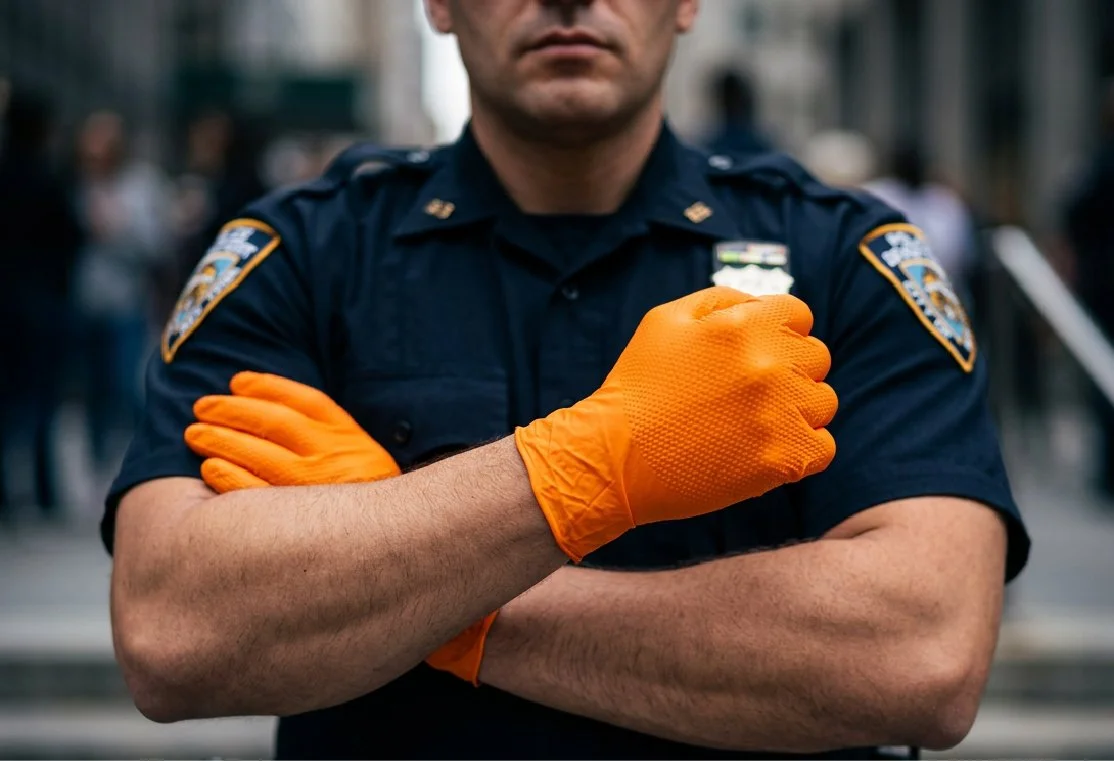
GrowlGRRRIP Beartooth nitrile gloves are fentanyl tested disposable gloves built specifically for first responder use — certified to ASTM D6978, the standard law enforcement, EMS, and fire procurement teams are now requiring. Fentanyl is now involved in more than 70% of all synthetic opioid overdose deaths in the United States, and the officers, paramedics, and firefighters managing those scenes need hand protection that has actually been verified against it — not just marketed toward it.
Who’s At Risk — And Why It’s Different for Each of Them
Fentanyl exposure doesn’t look the same across every first responder context. The risk is real across all three audiences, but the way it happens — and what a glove needs to do — varies significantly.
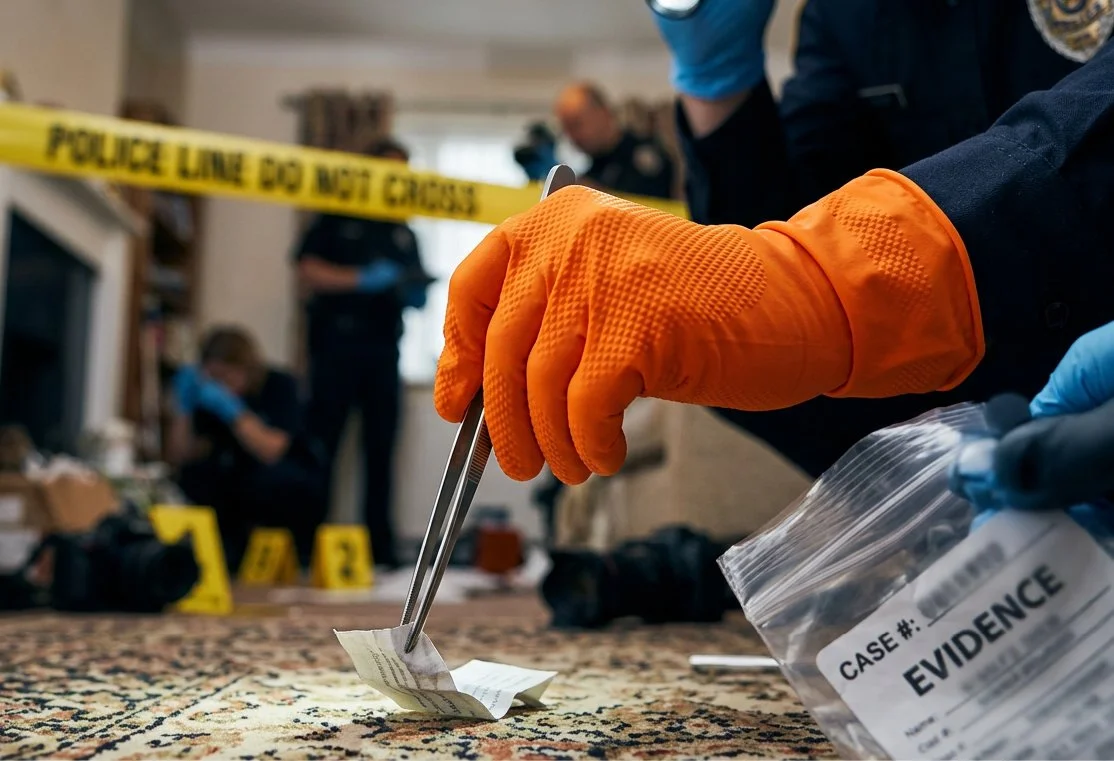
Law Enforcement
Officers encounter fentanyl at traffic stops, during searches, at overdose scenes, and inside corrections facilities every day. The exposure often comes without warning — a routine search that turns up an unknown white powder, evidence handling where the substance hasn’t yet been identified, or a subject who has fentanyl residue on their clothing or skin. Officers need gloves that hold up under the mechanical stress of active search and handling, not just clean laboratory conditions.

Firefighters
Firefighters don’t always know what they’re walking into. A structure fire can reveal a clandestine drug operation. A vehicle extraction puts unknown substances directly in a crew’s hands. An overdose call dispatched as a routine medical response can turn into a contaminated scene before anyone has time to react. In those first moments on scene, the crew isn’t thinking about their gloves — which is exactly why the gloves have to be right before they leave the station.

EMS and Ambulance Crews
Paramedics and EMTs are the first hands on the patient. Before the diagnosis. Before the tox screen. Before anyone knows what that person had on them or in them. EMS crews perform CPR, start IVs, and manage airways on patients who may have active fentanyl on their skin, clothing, or in the air around them. They also go through gloves at a rate most other first responders don’t — multiple pair changes per call — which makes glove selection both a safety decision and a procurement one.
Why Standard Gloves May Not Be Enough
Not all disposable gloves offer the same level of chemical protection. A glove that performs well in a routine medical exam may not hold up against prolonged contact with fentanyl or its analogues — and in the field, gloves are constantly being stretched, pulled, and stressed in ways that laboratory testing doesn’t always reflect.
Research conducted through the CDC and NIOSH tested common glove materials against fentanyl and found significant differences in barrier performance:
Vinyl gloves showed 100% breakthrough failure within 30 minutes of contact.
Latex gloves began to fail at approximately 80 minutes.
Nitrile gloves, when stretched by just 25%, saw 6 out of 9 models tested fail the permeation standard.
These findings matter because that stretch and stress is constant in the field — during searches, evidence handling, patient care, and scene processing. A glove that passes a static lab test may not perform the same way under real working conditions.

What to Look For in a Fentanyl-Tested Glove
ASTM D6978
The key standard to know is ASTM D6978, which specifically tests glove materials against chemotherapy drugs and fentanyl. A glove carrying this certification has been independently verified to resist permeation under controlled laboratory conditions — giving procurement teams a documented baseline to stand behind when selecting PPE for their personnel.
ASTM E3212
ASTM E3212 provides additional procurement guidance specifically for law enforcement agencies selecting PPE for drug interdiction operations. Together, these two standards offer a reliable framework for choosing the right hand protection and defending that specification internally during procurement review.
A Simple Rule of Thumb
If a glove hasn’t been tested to ASTM D6978, there is no verified data confirming it will protect against fentanyl contact. Price and thickness alone are not reliable indicators of chemical resistance. Testing is.
For departments and agencies evaluating their PPE programs, asking suppliers for documented test results against ASTM D6978 is the most practical first step. If a supplier can’t produce that documentation, the answer to the question is already clear.
GrowlGRRRIP Nitrile Gloves — Fentanyl-Tested and Built for the Field
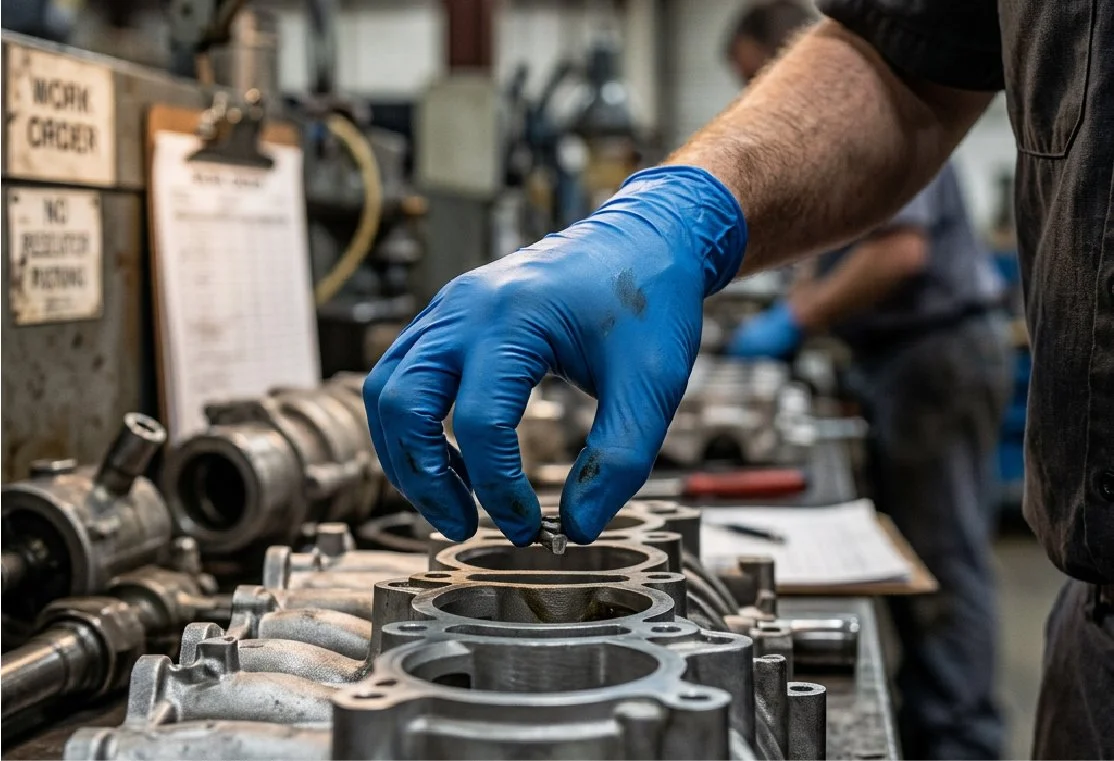
GrowlGRRRIP Beartooth nitrile gloves are fentanyl tested to ASTM D6978 and built for the grip and barrier demands of first responder work. The raised Beartooth texture channels liquid away from the skin, maintaining grip in wet and hazardous conditions without sacrificing the tactile sensitivity EMS crews and evidence handlers depend on. Available in multiple thicknesses and in stock across warehouses in Columbus, Cleveland, and Vancouver.
Request a free sample kit and fentanyl testing certification
Agency and case pricing for bulk procurement
sales@growlproducts.com | 888-583-0095
Frequently Asked Questions
What gloves are fentanyl tested for law enforcement use?
GrowlGrrrip! Beartooth nitrile gloves are certified to ASTM D6978, the standard specifically covering fentanyl barrier protection. They are built for the mechanical demands of active law enforcement work — searches, evidence handling, and corrections environments — and the testing documentation is available for procurement review.
What is ASTM D6978 and do I need it?
ASTM D6978 is the independent laboratory standard that tests glove materials for permeation resistance against chemotherapy drugs and fentanyl. If your department, agency, or EMS service handles or may encounter fentanyl in the field, this certification is the only verified way to confirm your gloves provide a documented barrier. Price and thickness are not substitutes for this testing.
Are nitrile gloves enough protection against fentanyl?
Not all nitrile gloves are equal. CDC and NIOSH research found that when nitrile gloves are stretched by just 25% — which happens constantly during searches and patient care — 6 out of 9 models tested failed the permeation standard. A nitrile glove that has not been specifically tested to ASTM D6978 has no verified fentanyl barrier data, regardless of its thickness or brand.
What is ASTM E3212 and how does it apply to our department?
ASTM E3212 is a procurement guidance standard designed specifically for law enforcement agencies selecting PPE for drug interdiction operations. It works alongside ASTM D6978 to give procurement managers a defensible framework for specifying and purchasing fentanyl rated hand protection. Referencing both standards in your PPE specification protects your agency during procurement review.
How do I request fentanyl testing documentation for GrowlGRRRIP?
Contact the Growl team directly at sales@growlproducts.com or 888-583-0095 to request the full certification package — ASTM D6978 test results, product spec sheet, and sample product for evaluation. There is no commitment required to receive documentation.