ClawSKINZ Leather Gloves — When Genuine Leather Beats Synthetic
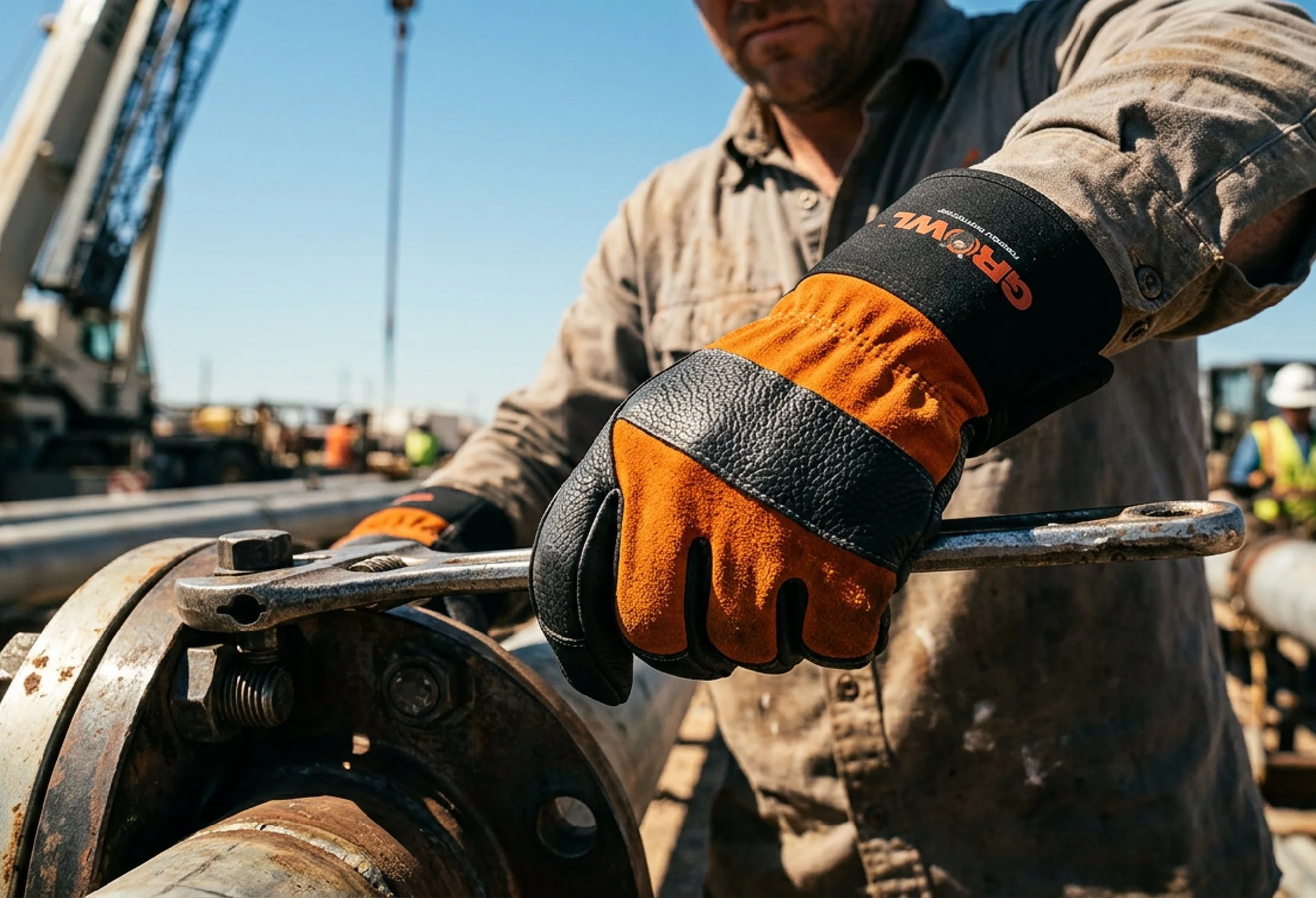
ClawSKINZ Leather Gloves: When Top Grain Cowhide Is the Right Call
Synthetic gloves work well for a lot of jobs. Fluid handling, oily grip work, disposable barrier tasks, precision assembly. There are real reasons synthetic materials took over a significant portion of the work glove market, and most of those reasons are legitimate.
But there are jobs where synthetic wears out before the shift ends, where the coating starts peeling before the palm does, where the glove that felt right in the morning is falling apart by noon. Workers who do that kind of work already know what it feels like to burn through a pair of gloves that wasn't built for what they were doing.
That's the job top grain cowhide was made for. GROWL Products builds ClawSKINZ leather gloves for exactly that kind of work.
What Top Grain Cowhide Does That Synthetic Can't
Leather handles abrasion differently than synthetic materials. It doesn't peel, crack at the seams, or wear through at the palm after a few hours of rough contact. It takes the friction of repeated handling across a full shift and holds up in a way that lighter gloves don't.
Top grain cowhide also breaks in. A new pair feels structured; a few real shifts in, it softens at the right points and starts fitting the way a worked-in glove always does. A glove that fits well gets worn. A glove that fights your hand gets left on the bench.
On dry, rough surfaces, the natural grip of top grain cowhide holds in a way smooth coated gloves struggle to match — lumber, metal parts, tools, pipe, rope, equipment handles, concrete materials, rough packaging. Leather gives you control on those surfaces without overgripping to compensate for a coating that's sliding around.
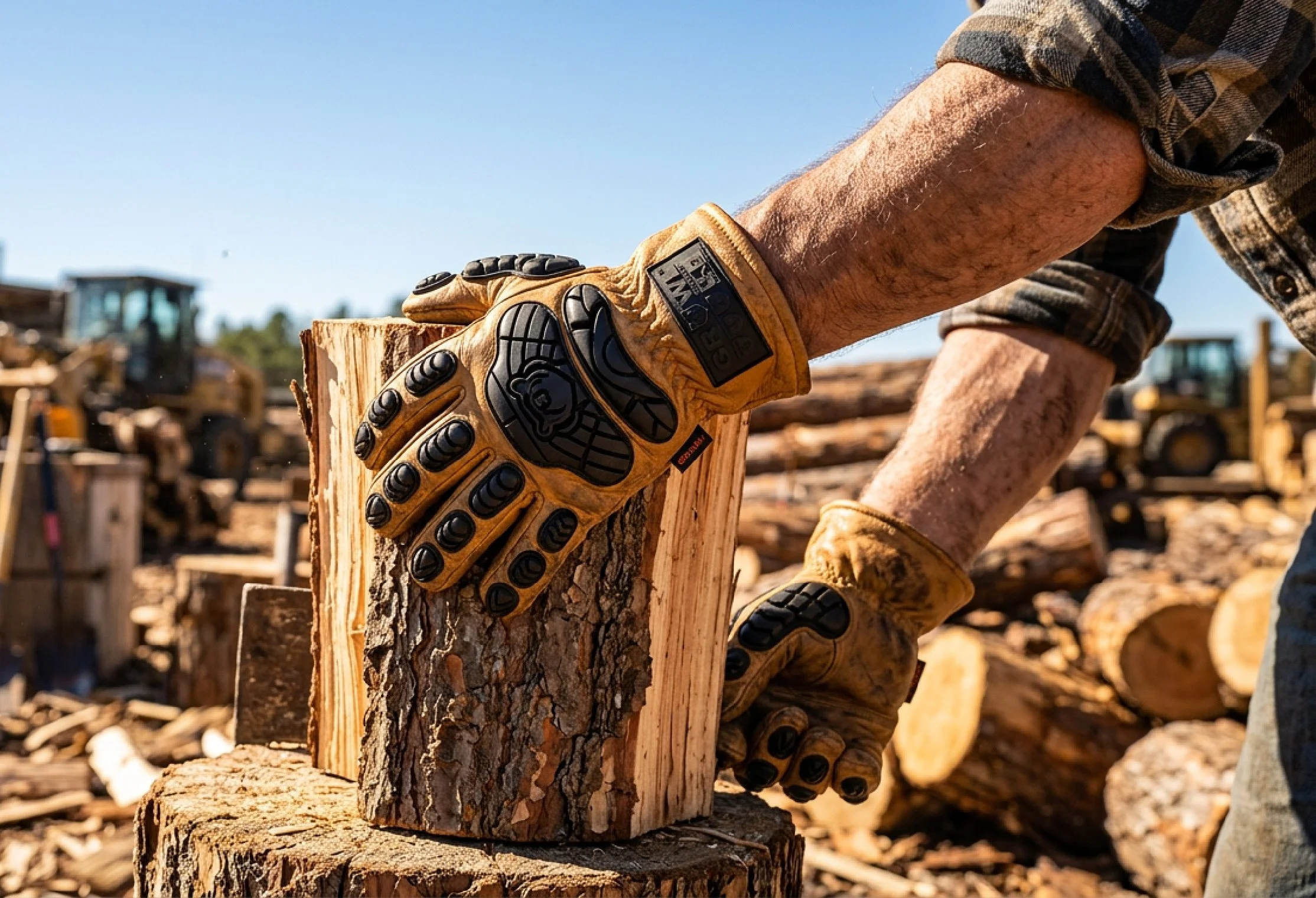
The Work ClawSKINZ Is Built For
Rough material handling is where ClawSKINZ earns its place. The jobs where abrasion is constant, where the material itself is what destroys lighter gloves. Lumber handling, metal parts, tools, equipment, pallets, pipe, hardware, construction materials, general shop and yard work.
Tool and equipment handling is another strong fit. Hand tools, power tools, chains, cables, machinery components, maintenance gear. Top grain cowhide feels substantial in the hand when you're doing physical work, which matters when you need control and confidence, not just coverage.
Dry worksite conditions are where leather grip outperforms synthetic coatings. If the challenge is friction, abrasion, and repeated contact with rough surfaces rather than oil or moisture, leather handles that environment better than most alternatives.
ClawSKINZ isn't built for heat or spark exposure — that's ClawFORGE's job. Stick with ClawSKINZ for the dry, abrasive handling work around those tasks, and switch to ClawFORGE the moment welding or heavy spark exposure is part of the shift.
When Leather Isn't the Right Call
Wet or oily work, chemical handling, tasks requiring fingertip dexterity for precision assembly, jobs where a disposable barrier is the point — those belong in a different glove. GrowlTECH for everyday disposable nitrile. GrowlGRRRIP for oily and greasy high grip work. ClawGUARD for cut resistant industrial environments. ClawFORGE for welding and heat related tasks.
ClawSKINZ has a lane, and it's not every job. It earns its place when the work matches these conditions.
The Cost Reality
Top grain cowhide costs more upfront than most synthetic options. That's true. But the comparison that matters isn't the purchase price — it's how many pairs you go through before the job is done.
If a synthetic glove is wearing out every few days on rough handling work, the cost per week is higher than a leather glove that lasts through the same conditions. The price difference at the point of purchase looks like a savings. The replacement frequency tells a different story.
The Bottom Line
Some jobs eat synthetic gloves for breakfast. Rough materials, abrasive surfaces, repeated handling, long shifts in dry worksite conditions. Top grain cowhide handles those jobs differently because it was built for them.
ClawSKINZ leather gloves break in to your hand, hold up through the abrasion that wears other gloves out, and give you natural grip on the dry rough surfaces where coated alternatives start to slide.
When synthetic isn't surviving the work, top grain cowhide is worth the conversation. Find the full GROWL Products lineup at growlproducts.com.