What's Actually Inside a Nitrile Glove And Why It Changes How You Sell Them
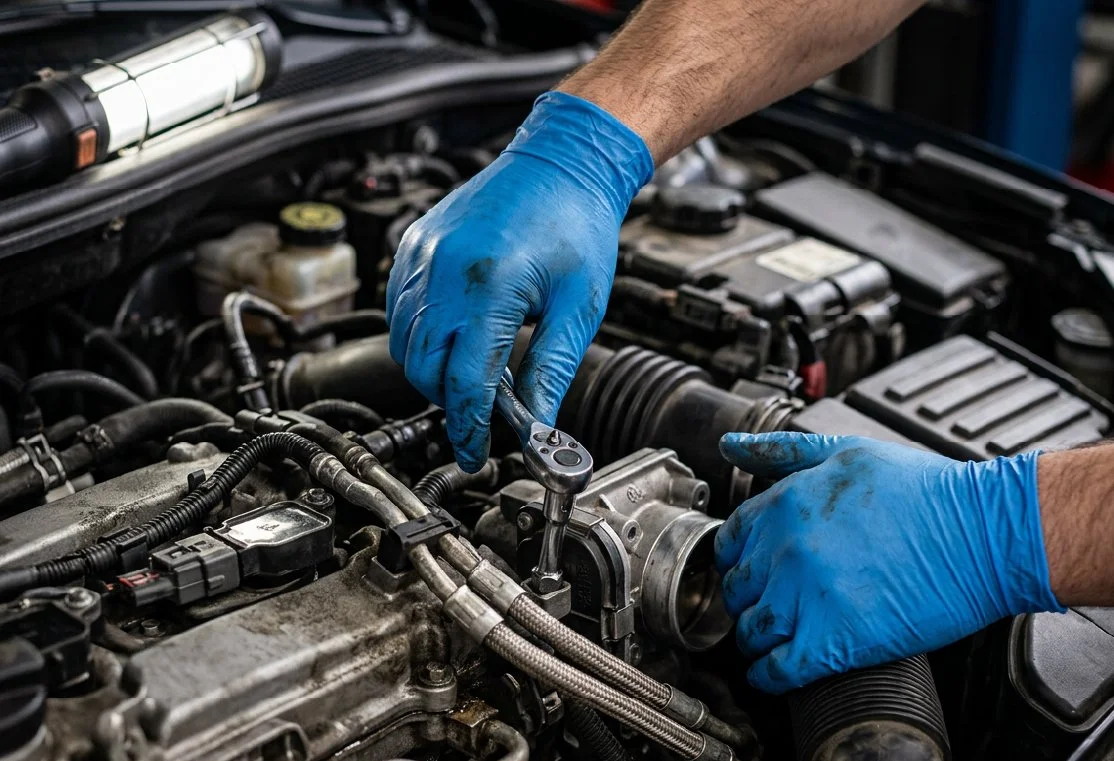
Nitrile gloves look simple from the outside. They're not.
Every part of the glove affects how it performs. Thickness, texture, cuff design, fit, finger feel, grip, elasticity, and material quality all influence whether a glove works well for the task or becomes a daily frustration. For industrial buyers, automotive shops, maintenance teams, warehouses, first responders, and dealers, understanding the anatomy of a nitrile glove makes glove selection considerably easier.
The goal isn't to buy the cheapest glove. The goal is to choose the glove that fits the work.
What Is Nitrile?
Nitrile is a synthetic rubber material commonly used in disposable gloves, and it's popular across industrial, automotive, maintenance, janitorial, and general work environments. It offers a practical balance of barrier protection, durability, flexibility, and comfort that older disposable options simply don't match.
Nitrile gloves are often used for oil and grease, fluids, general grime, shop work, parts handling, light cleanup, maintenance tasks, inspection, disposable barrier protection, and tasks that require quick glove changes. For Growl, nitrile plays two key roles: GrowlTECH is the all-purpose industrial nitrile glove for everyday work, and GrowlGRRRIP is the tougher, high-grip nitrile glove for oil, grease, and heavier shop tasks. The difference comes down to glove design, and that's worth understanding.
Part 1: Glove Thickness
Thickness is one of the first details buyers notice, and it's easy to treat as the whole story. It isn't.
A thicker glove usually feels more durable and provides more confidence during tougher jobs. A thinner glove offers more fingertip feel and flexibility for lighter tasks. But a glove can be thick and poorly designed, or thinner and still perform well in the right application. It can feel strong but have poor grip, or be durable but too bulky for the task at hand.
The right thickness depends entirely on what the worker is doing. Use a lighter all-purpose nitrile glove for routine inspections, parts handling, and general work. Use a heavier or more textured nitrile glove when workers are dealing with oil, grease, dirty tools, and tougher shop conditions.
Thickness matters, but task matching matters more.
Part 2: Texture
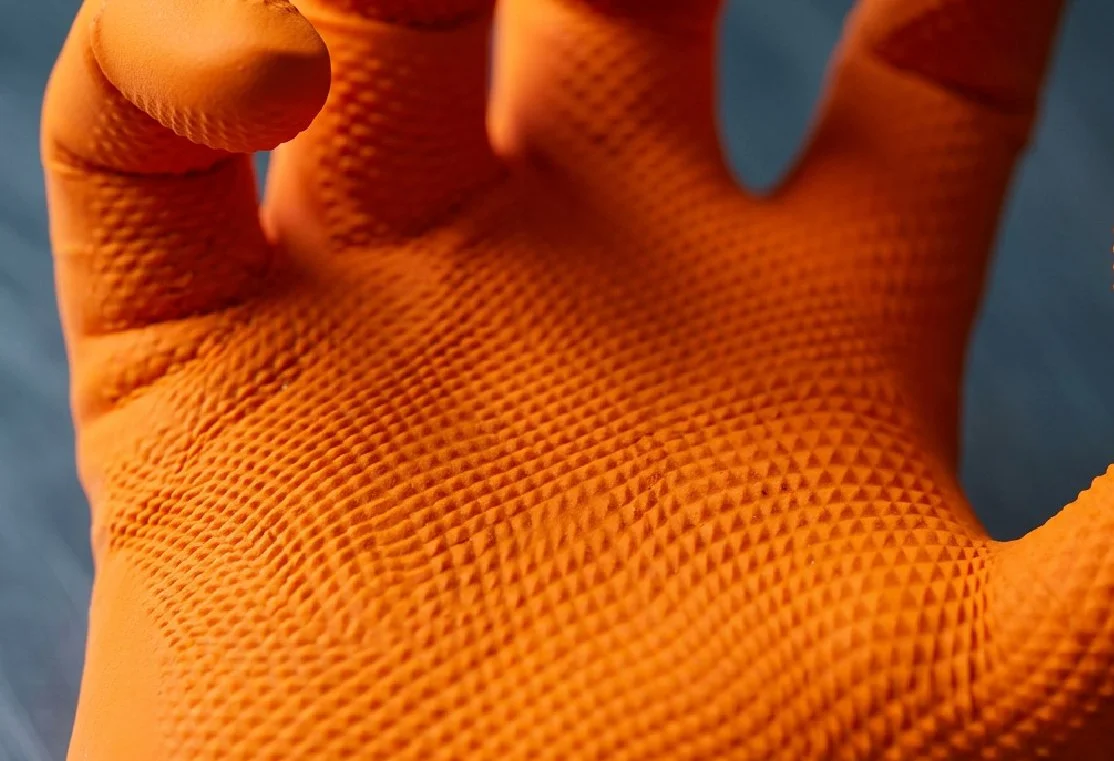
Texture is one of the most important parts of a nitrile glove — and one of the most underappreciated.
A smooth glove may be fine for light work, but in oily, greasy, wet, or dirty environments, grip becomes critical. Textured nitrile gloves help workers maintain control when handling tools, parts, fluids, or slippery surfaces. Texture can appear on fingertips, the palm, or the full glove surface, and for many industrial and automotive applications, it makes a major difference because workers need to grip tools, turn fasteners, hold parts, and work confidently in messy conditions.
GrowlGRRRIP becomes the right recommendation when customers say their gloves get too slick, that workers keep changing gloves during greasy jobs, or that they need a tougher disposable option for dirty work.
If the task involves oil, grease, or slippery tools, texture is not a luxury. It is part of performance.
Part 3: Cuff
The cuff is the opening at the wrist, and it may seem like a minor detail. But it affects fit, coverage, donning, removal, and how well the glove stays in place during use.
A good cuff should be easy to put on, stay secure during work, provide wrist coverage, and make removal practical without a struggle. In fast-paced shop environments, workers need a cuff that supports quick changes without feeling loose or unreliable. If a cuff rolls, tears, or feels awkward, workers notice it immediately. And they remember it.
A glove that is hard to put on or does not stay in place will frustrate workers, even if the material is strong.
Part 4: Fit
Fit can make or break a nitrile glove in ways that no spec sheet captures.
A glove that's too tight can fatigue the hand, tear more easily during donning, or make long wear uncomfortable. Too loose, and it reduces dexterity, creates slipping inside the glove, and makes tool handling harder. A good nitrile glove should fit snugly without fighting the hand. Workers should be able to grip tools, handle parts, move fingers naturally, avoid bunching material, and remove and replace gloves efficiently throughout the shift.
Fit matters especially in mechanic, fleet, maintenance, and industrial work because workers are constantly using their hands for detailed, repeated tasks.
If workers do not like the fit, they will not like the glove.
Part 5: Finger Feel and Dexterity
Dexterity refers to how well workers can move their fingers and feel what they're handling, and it matters more than buyers often expect.
Tasks like turning small fasteners, handling clips, working with tools, inspecting parts, opening packaging, and performing detailed maintenance all require genuine hand feel. A glove that's too bulky slows workers down noticeably. But a glove that's too light doesn't provide enough confidence for dirty or rougher tasks, which is why shops often need more than one nitrile option in rotation.
GrowlTECH works well as the everyday nitrile glove when workers need practical hand feel for routine tasks. GrowlGRRRIP fits heavier shop work where grip and durability matter more than sensitivity.
The best nitrile glove balances protection with the hand control workers need for the job.
Part 6: Grip in Real Conditions
Grip should always be judged by the environment, not the product description.
A glove that works well in a dry setting does not perform the same way around oil, grease, coolant, water, dirt, or grime. Ask customers: are workers handling dry parts or using oily tools? Are surfaces wet or greasy? Are gloves being changed because grip is failing before anything else?
For general dry or light-duty tasks, a standard nitrile glove is enough. For oily, greasy, fluid-heavy, or dirty tasks, customers need a more aggressive nitrile option like GrowlGRRRIP.
Grip is not theoretical. It has to match the actual shop conditions.
Part 7: Durability
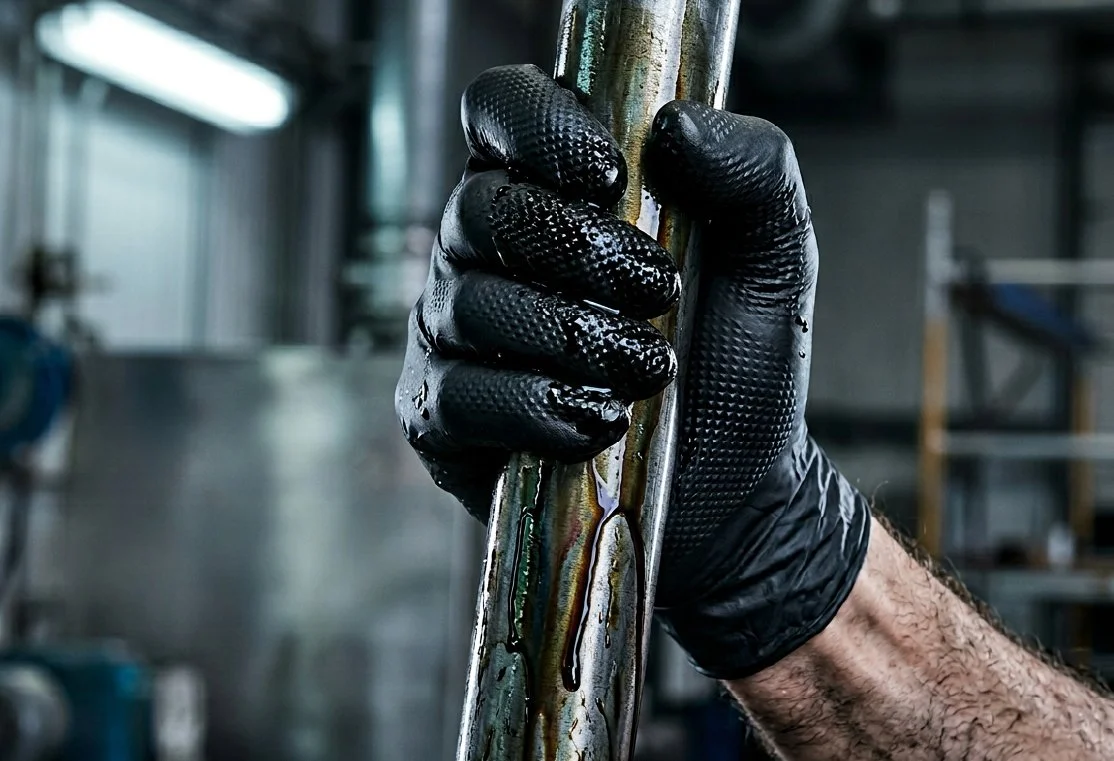
Durability isn't just about how long the glove lasts. It's about whether the glove survives the task long enough to actually do its job.
Common durability issues include tearing during donning, ripping during use, fingertip failure, punctures from rough parts, stretching out, and workers double-gloving because they don't trust the glove to hold up. Some durability problems mean the customer needs a stronger nitrile glove. Others mean they're using disposable gloves for the wrong job entirely.
If workers are handling rough parts, tires, sharp edges, or abrasive materials, they need a reusable glove like ClawFORCE or a cut-resistant glove like ClawGUARD instead of disposable nitrile.
Durability complaints often reveal whether the customer needs a better nitrile glove or a different glove category.
Part 8: Color
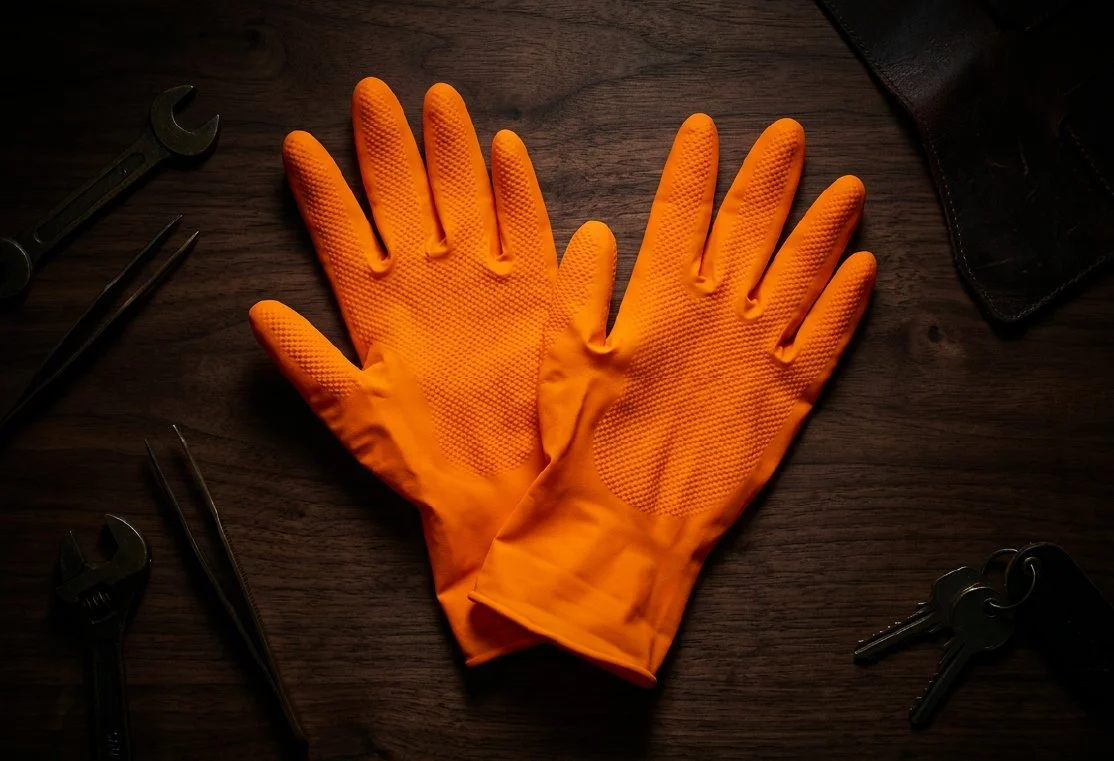
Color doesn't affect glove performance directly, but it can affect workflow and organization in ways that matter to some accounts.
Customers use different colors to separate departments, glove types, tasks, or visibility preferences. Bright glove colors also make it easier to spot glove fragments, dirt, or contamination in certain environments. For dealers, color can be part of product preference, brand recognition, or task organization, but it should never replace performance matching.
Color helps with visibility and organization, but performance still comes from fit, material, grip, and task match.
Part 9: Powder-Free Design
Most modern industrial nitrile gloves are powder-free, and for good reason.
Powder creates mess, residue, or skin comfort concerns for some users. Powder-free nitrile gloves are easier to position for shop, maintenance, and industrial environments where workers don't want glove powder transferring to tools, parts, surfaces, or work areas.
Powder-free nitrile keeps the glove cleaner for modern industrial workflows.
Part 10: Glove Pairing With GrowlTOWEL
A nitrile glove doesn't work alone, and in many shops, the bigger problem isn't glove failure. It's unnecessary glove changes.
A worker may still have a perfectly intact glove, but if it's covered in oil, grease, or grime, they change it before touching a clean part, vehicle interior, tool, device, or paperwork. GrowlTOWEL gives workers a stay-wet towel they can use to wipe glove surfaces, tools, hands, benches, and work areas during the job, which helps workers reduce unnecessary glove changes when the glove is still intact and appropriate to keep using.
Nitrile gloves protect the hands. GrowlTOWEL helps workers clean up and keep moving.
How to Choose the Right Nitrile Glove
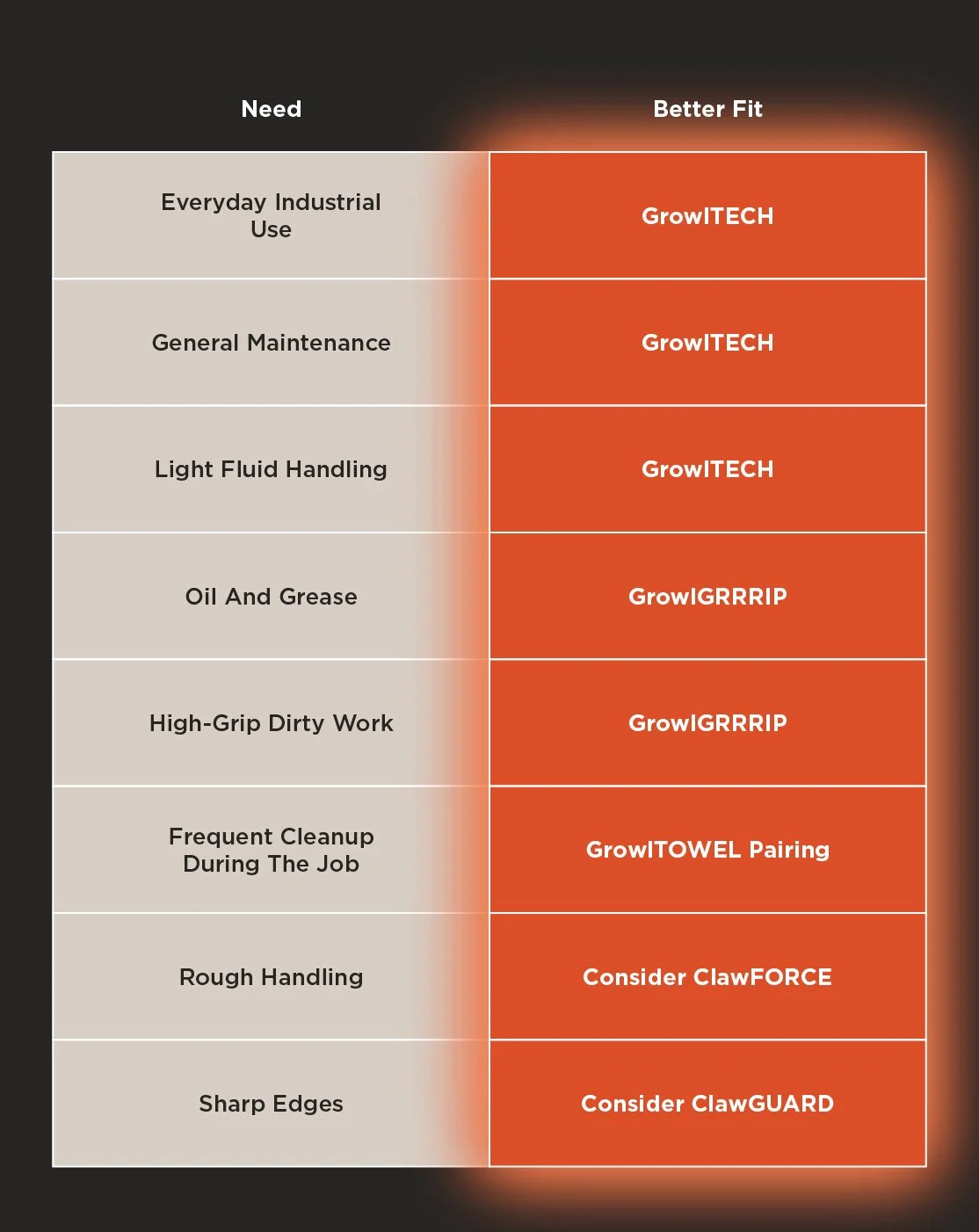
Questions Dealers Should Ask
Before recommending a nitrile glove, ask:
What tasks are workers using nitrile gloves for?
Are they handling oil, grease, fluids, or dry materials?
Are gloves tearing, stretching, slipping, or getting changed too often?
Do workers need more grip or more fingertip feel?
Are workers using disposable gloves for rough handling tasks?
Are gloves being changed because they fail, or because they get dirty?
Do workers have cleanup towels nearby?
Are different departments using different glove types?
Is the customer trying to reduce cost, improve grip, or simplify ordering?
Would a two-glove nitrile program make sense — everyday plus high-grip?
These questions help dealers match the glove to real use, not guesswork.
The Bottom Line
A nitrile glove is more than a disposable barrier. Its thickness, texture, cuff, fit, grip, dexterity, durability, and cleanup pairing all affect how well it performs on the job.
For everyday industrial tasks, GrowlTECH gives customers a practical all-purpose nitrile glove. For oil, grease, and tougher shop work, GrowlGRRRIP delivers a stronger high-grip disposable option. For cleanup and reducing unnecessary glove changes, GrowlTOWEL completes the system. The better customers understand the anatomy of a nitrile glove, the easier it becomes to choose the right one, and the right glove is always the one that fits the work.