PPE Glove Standards in Canada and the US: What Impact Protection Actually Means on the Job
Most workers don't think about glove ratings until something goes wrong. A knuckle catches a bracket. The back of a hand takes a hit from a chain or a tool or a piece of equipment moving faster than expected. At that point, the question isn't what the glove costs — it's whether it was built for what just happened.
Impact protection ratings exist because back of hand injuries are one of the most common and most preventable hand injuries in industrial and fleet work. The rating doesn't guarantee nothing goes wrong. But it tells you the glove was actually tested for the kind of force that causes those injuries — not just assembled from leather and good intentions.
Cut Resistance and Impact Protection Are Not the Same Thing
This is where a lot of workers get the glove choice wrong.
Cut resistance is about sharp edges — the rating tells you how much slicing force the palm material can withstand. Impact protection is about blunt force — the rating tells you how much strike energy the back of hand construction can absorb and deflect.
A job can demand both. A mechanic working in a tight engine compartment is handling sharp brackets with the palm while banging knuckles against frame components with the back of the hand. A material handler is gripping rough loads with the fingers while the back of the hand is exposed to swinging equipment, chains, and hard contact with surfaces.
Buying a cut resistant glove doesn't solve the impact problem. Buying a basic driver glove doesn't solve the cut problem. The work determines which rating matters — and sometimes it's both.
What ANSI Impact Level 2 Actually Means
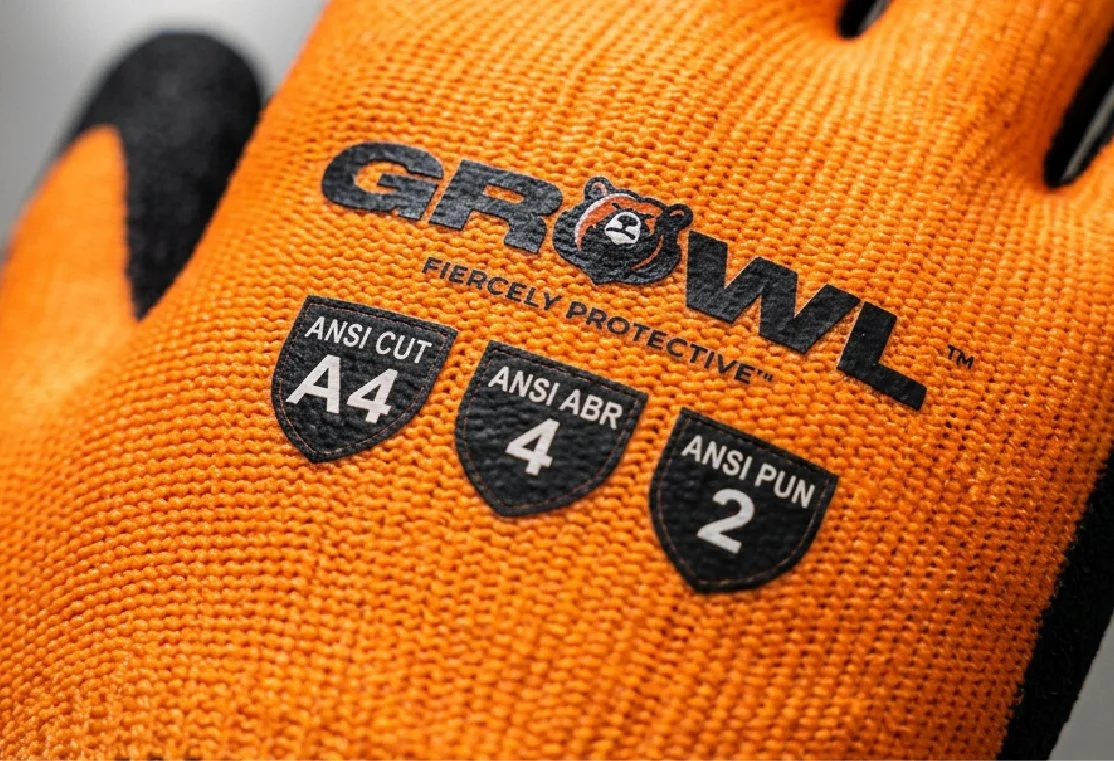
ANSI/ISEA 138 rates impact resistant gloves on a scale from Level 1 to Level 3. Level 1 is the lower classification. Level 3 is the highest. Level 2 sits in the middle — and for most industrial, fleet, construction, and handling work, it's the practical sweet spot.
Level 2 means the glove's back of hand construction was tested against a documented impact force threshold and passed. It's not marketing language. It's a result from a standardized test that gives you something real to compare against other gloves and other ratings.
For workers whose hands are regularly exposed to bumps, knocks, pinches, and contact with hard surfaces — equipment, tools, chains, materials, vehicle components — Level 2 gives you a glove built to absorb that kind of force rather than pass it straight through to the hand.
Does It Matter Whether You're in Canada or the US?
The regulatory systems are different. In the US, OSHA sets the framework for employer hand protection requirements. In Canada, occupational health and safety requirements run through federal, provincial, and territorial systems that vary by jurisdiction.
What doesn't change is the physics. A knuckle hitting a piece of equipment delivers the same force whether the job is in Alberta or Alabama. ANSI ratings give workers and employers a consistent performance language that works across both markets — which matters for anyone working across the border or sourcing gloves for locations on both sides of it.
The rating doesn't make a workplace compliant by itself. That depends on the hazard assessment, the task, and the applicable local requirements. But it gives you documented performance data you can put in front of a safety team, a supervisor, or a procurement buyer and have a real conversation — not just "this glove is tough."
Where ClawSKINZ Fits
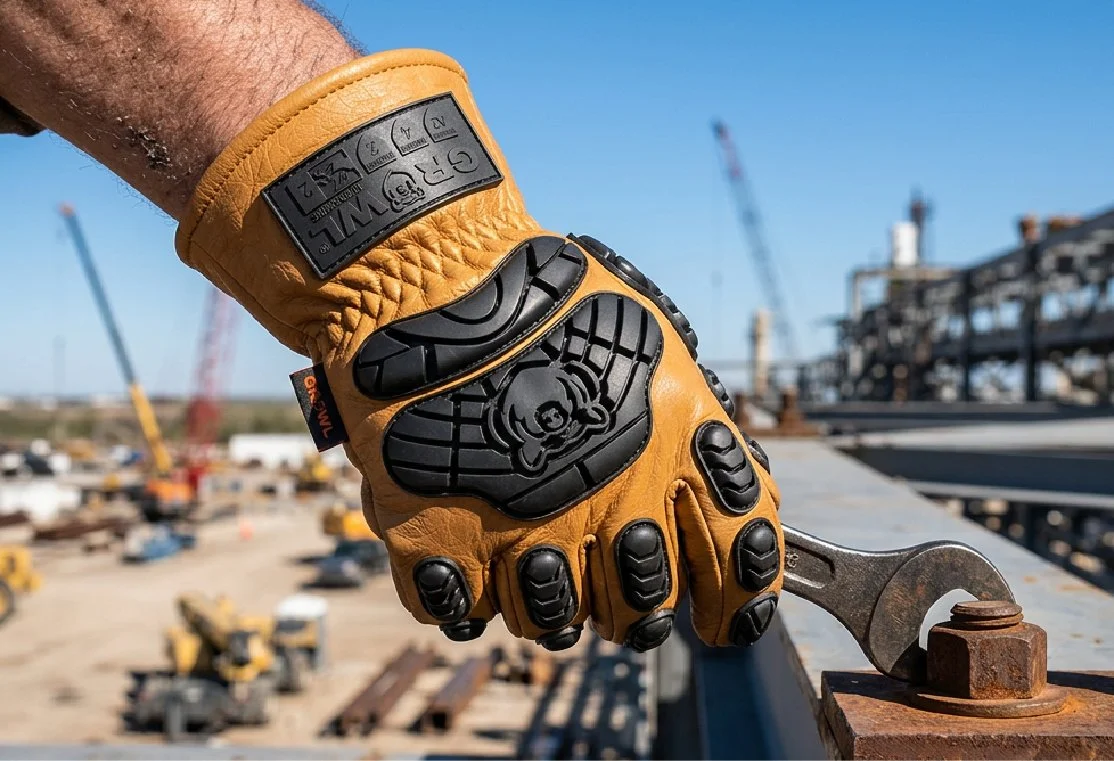
ClawSKINZ Fully Lined Impact Driver Gloves from Growl Products are built around the format workers in handling, fleet, and industrial work already trust — the driver style glove — with documented back of hand impact protection added where basic leather falls short.
The driver style format matters because it's familiar. Workers wear it. It fits the way handling work actually moves — grip, lift, carry, guide, repeat. The problem with most basic driver gloves is that they were designed for grip and durability, not for the back of hand impact exposure that comes with the same work.
ClawSKINZ keeps the handling performance and adds the impact rating. That's useful for transportation, trucking, fleet operations, construction support, material handling, warehousing, logistics, municipal crews, public works, utilities, yard work, equipment operation, and industrial maintenance — anywhere back of hand contact with hard surfaces is part of the job.
The question worth asking before the next glove order: is the current driver glove built for the impact exposure that comes with the work, or just for the grip?
The Bottom Line
ANSI Impact Level 2 isn't a complicated concept. It means the glove was tested for back of hand impact force and passed a documented threshold. It means the protection is real, not assumed.
For workers in handling, fleet, construction, and industrial environments — in Canada, in the US, or both — ClawSKINZ Fully Lined Impact Driver Gloves give you a driver style glove that was actually built for the conditions the work creates. Familiar format. Documented protection. Built for the jobs where the back of your hand takes as much punishment as the palm.