What Cut Resistance, Impact Protection, and Sandy Nitrile Actually Mean on the Job
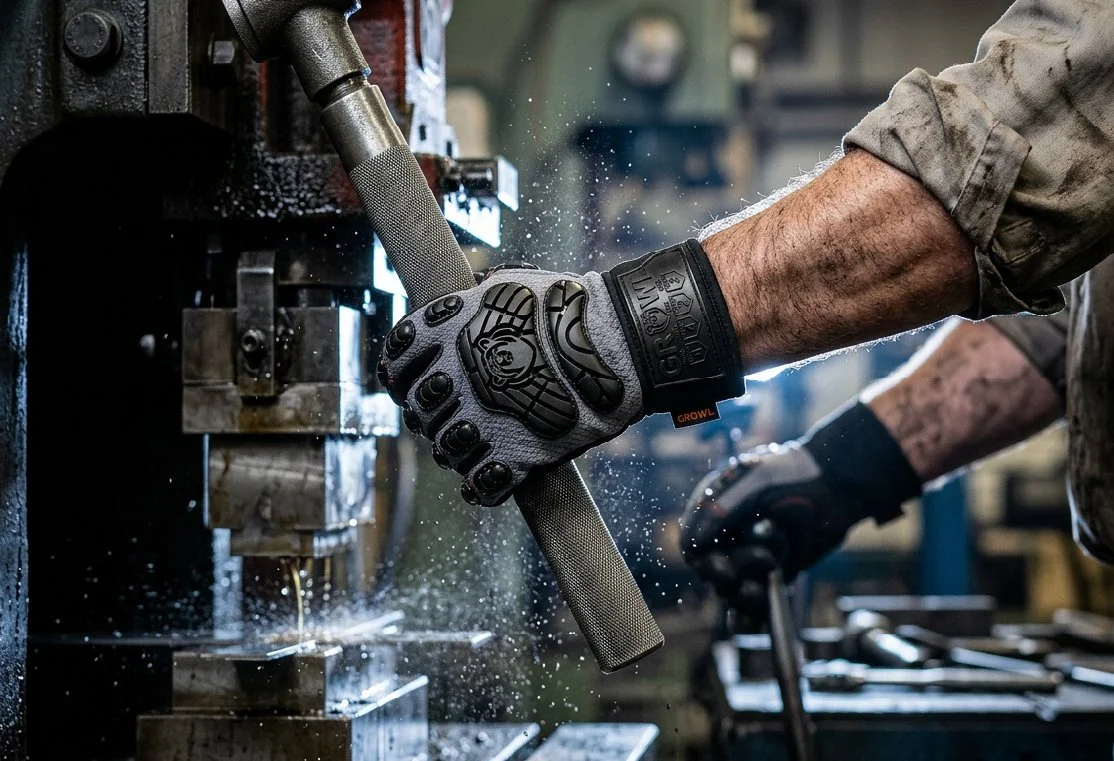
Gloves with cut resistance, impact protection, and sandy nitrile coating are not just about grip anymore.
For automotive, truck, fleet, heavy equipment, industrial, and manufacturing workers, the hazards are more complex than dirt and tool handling. Workers reach around sharp brackets. They grip worn metal parts, work inside engine bays, handle heavy components, and scrape knuckles against frames throughout the shift. Jagged edges, pinch points, and impact hazards are just part of the day.
That's why a standard work glove isn't always enough. Some jobs need a glove that combines cut protection, impact protection, grip, dexterity, and a sandy nitrile palm built for dirty, sharp, and demanding conditions.
That's where ClawGUARD A5 Cut & Impact Resistant Sandy Nitrile Dipped gloves fit. These gloves combine ANSI A5 cut protection with TPR back-of-hand impact armor and a sandy nitrile dipped palm built for automotive, fleet maintenance, heavy equipment, industrial, and manufacturing applications. The specs sound technical, but the jobsite meaning is simple: protect the palm from sharp-edge hazards, protect the back of the hand from impacts, and deliver the grip and barrier protection workers need to keep working.
Why Workers Need More Than Basic Work Gloves
Automotive and fleet work is hard on hands. A worker's hands move constantly between tools, fasteners, metal edges, engine parts, underbody components, panels, brackets, hoses, wheels, and heavy equipment, and the hazards are not always obvious until the glove fails.
A sharp edge cuts through the palm. A knuckle hits a frame rail. A fingertip catches a bracket. A hand slips while handling a greasy component, or a worker reaches into a tight compartment and scrapes the back of the hand. Basic gloves wear down before the shift is over.
That's why work gloves need to do more than feel comfortable. ClawGUARD A5 Cut & Impact Resistant Sandy Nitrile Dipped gloves are built for environments where cut and impact hazards are constant, not occasional.
What ANSI A5 Cut Protection Means on the Job
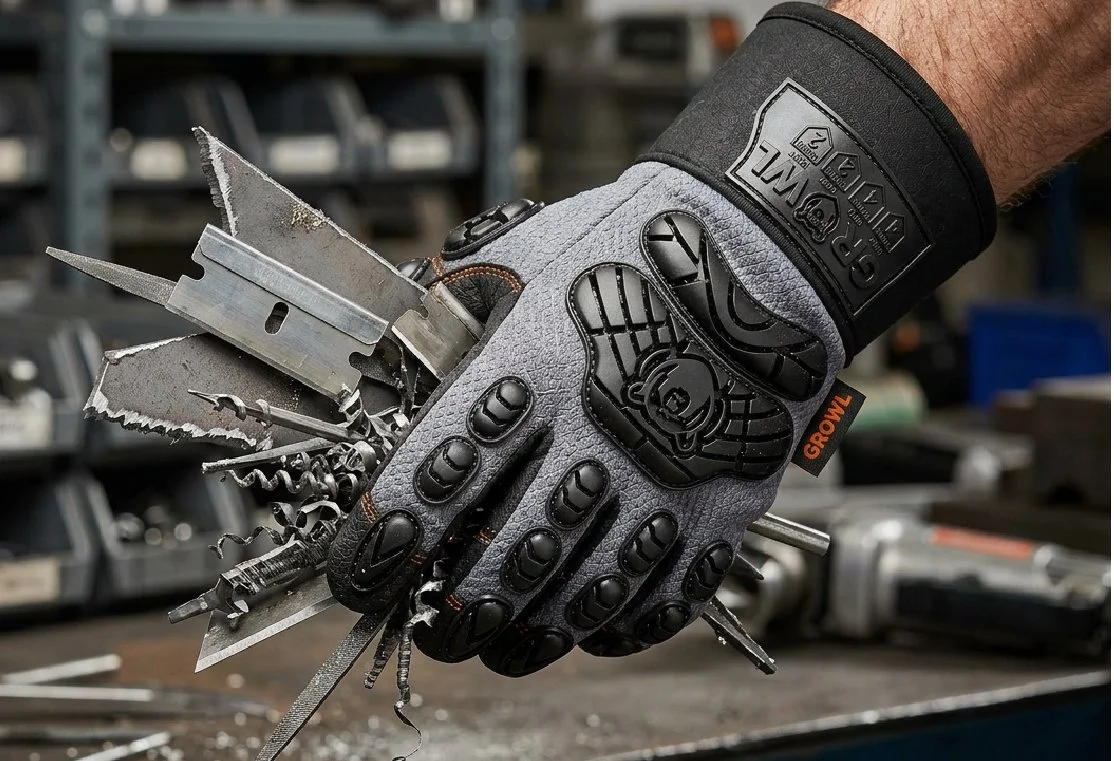
Cut resistance helps reduce cut risk when workers are exposed to sharp edges. ANSI cut ratings classify how much cut resistance a glove material provides under standardized testing, and A5 sits in the medium-to-heavy cut protection range, making it a strong fit for many industrial and mechanical tasks where workers face sharp parts, rough metal, and edge exposure.
On the job, ANSI A5 cut protection matters when workers are handling sharp metal parts, brackets, sheet metal edges, worn components, automotive panels, heavy equipment parts, industrial materials, manufacturing components, fleet maintenance hardware, and rough or jagged surfaces.
What matters here is that cut-resistant does not mean cut-proof. No glove makes a worker's hand invincible. But the right cut-rated glove gives workers a stronger layer of defense when sharp-edge hazards are part of the job.
Dealer talking point: ClawGUARD A5 helps protect workers from the sharp-edge hazards that basic dipped gloves are not built to handle.
Why A5 Makes Sense for Industrial and Fleet Work
Not every task needs the highest cut level available. That's worth saying plainly to customers.
Workers still need dexterity, tool control, and hand movement. If a glove is too bulky, workers avoid wearing it or pull it off during detailed work, which defeats the purpose. A5 is a practical level for many automotive and fleet applications because it gives workers a meaningful cut-resistance upgrade while still supporting the dipped glove fit needed for tool handling and daily work.
Use ClawGUARD A5 when customers say their workers are working around sharp parts, that basic gloves aren't enough, that they need cut protection without losing dexterity, or that their teams need something tougher for fleet work with brackets, panels, and rough edges.
The message is simple: A5 cut protection gives workers stronger defense without turning the glove into something too bulky for real work.
What TPR Back-of-Hand Impact Protection Means
Cut protection handles one side of the hazard. Impact protection handles another.
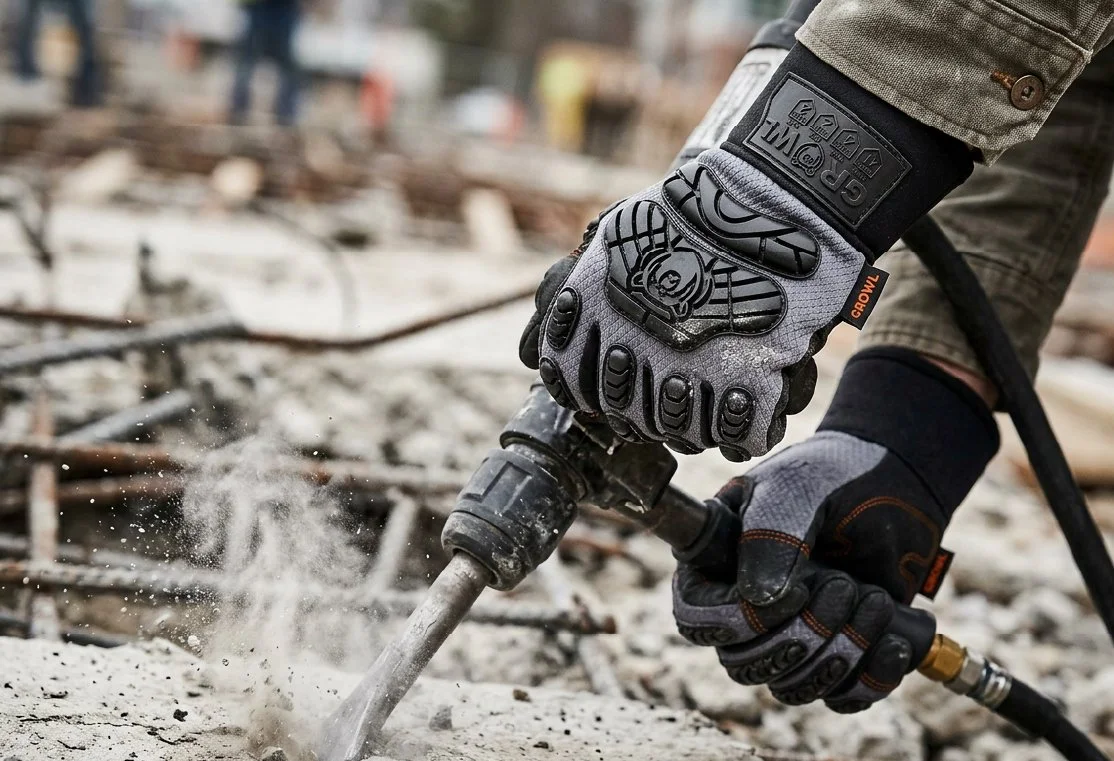
TPR stands for thermoplastic rubber. On work gloves, TPR is commonly used as flexible armor across the back of the hand, fingers, and knuckle zones, designed to help absorb and deflect bumps, knocks, and impacts when workers are reaching around equipment, handling heavy parts, or working in tight areas.
For industrial workers, the back of the hand takes real abuse. A worker may scrape against a frame. A wrench may slip. A hand may hit a bracket, or a knuckle may bang against metal inside a tight workspace. ClawGUARD A5 uses TPR back-of-hand impact protection to put armor where workers need it most.
Dealer talking point: TPR impact armor helps protect the back of the hand from the hits, bumps, and scrapes that happen constantly in industrial and fleet work.
Why Impact Protection Is Different From Cut Protection
Customers sometimes assume one type of protection covers everything. It doesn't, and the distinction matters.
Cut protection is about sharp-edge hazards. Impact protection is about bumps, strikes, and contact with hard surfaces. A glove can have cut resistance but little back-of-hand protection. A glove can have impact armor but not enough cut protection for sharp parts. A glove can have grip but no meaningful defense against either hazard.
That's why ClawGUARD A5 matters. The palm-side conversation is: what sharp edges are workers handling? The back-of-hand conversation is: what are workers banging their hands against? If both are happening, the customer needs more than a basic glove.
Sandy Nitrile Dip: Grip, Barrier Protection, and Durability
Protection only matters if workers can still do the job.
Sandy nitrile is a textured nitrile coating applied to the palm of the glove. The sandy texture creates a rougher grip surface that performs well in dry, dusty, and light-moisture conditions, giving workers confident control when handling parts, tools, and rough materials. Unlike smooth nitrile coatings, the sandy texture grips surfaces that a slick palm would struggle with.
Beyond grip, the nitrile dip provides a barrier layer between the hand and the material. It resists abrasion, holds up to repeated contact with rough surfaces, and gives the glove durability that basic fabric gloves can't match. That makes it especially useful for parts handling, equipment work, general industrial tasks, fleet service, manufacturing tasks, and any job that involves repeated daily use around rough or dirty materials.
Dealer talking point: The sandy nitrile dipped palm gives workers durable grip and barrier protection in the conditions where smooth coatings and fabric palms fall short.
Where ClawGUARD A5 Fits Best
ClawGUARD A5 Cut & Impact Resistant Sandy Nitrile Dipped gloves are purpose-built for customers who need cut and impact protection in industrial, equipment, and fleet environments. Strong fit applications include automotive repair, truck and fleet maintenance, heavy equipment work, industrial maintenance, manufacturing, equipment repair, utility support, service bays, sharp-edge parts handling, maintenance departments, and facility repair.
These are environments where workers face a mix of sharp edges, tight spaces, hand impacts, and tool-heavy work throughout the shift.
When ClawGUARD A5 Is the Better Recommendation
ClawGUARD A5 should be part of the conversation when customers say their workers need more protection, that basic dipped gloves aren't enough, that workers are cutting their hands on parts, that knuckles keep getting scraped, or that the glove needs to protect but still allow hand movement. It also fits well when accounts are automotive, truck, fleet, industrial, or manufacturing environments where workers deal with sharp brackets, rough metal, and heavy equipment daily.
These pain points point directly toward the ClawGUARD A5 story.
ClawGUARD A5 vs. Standard Dipped Work Gloves
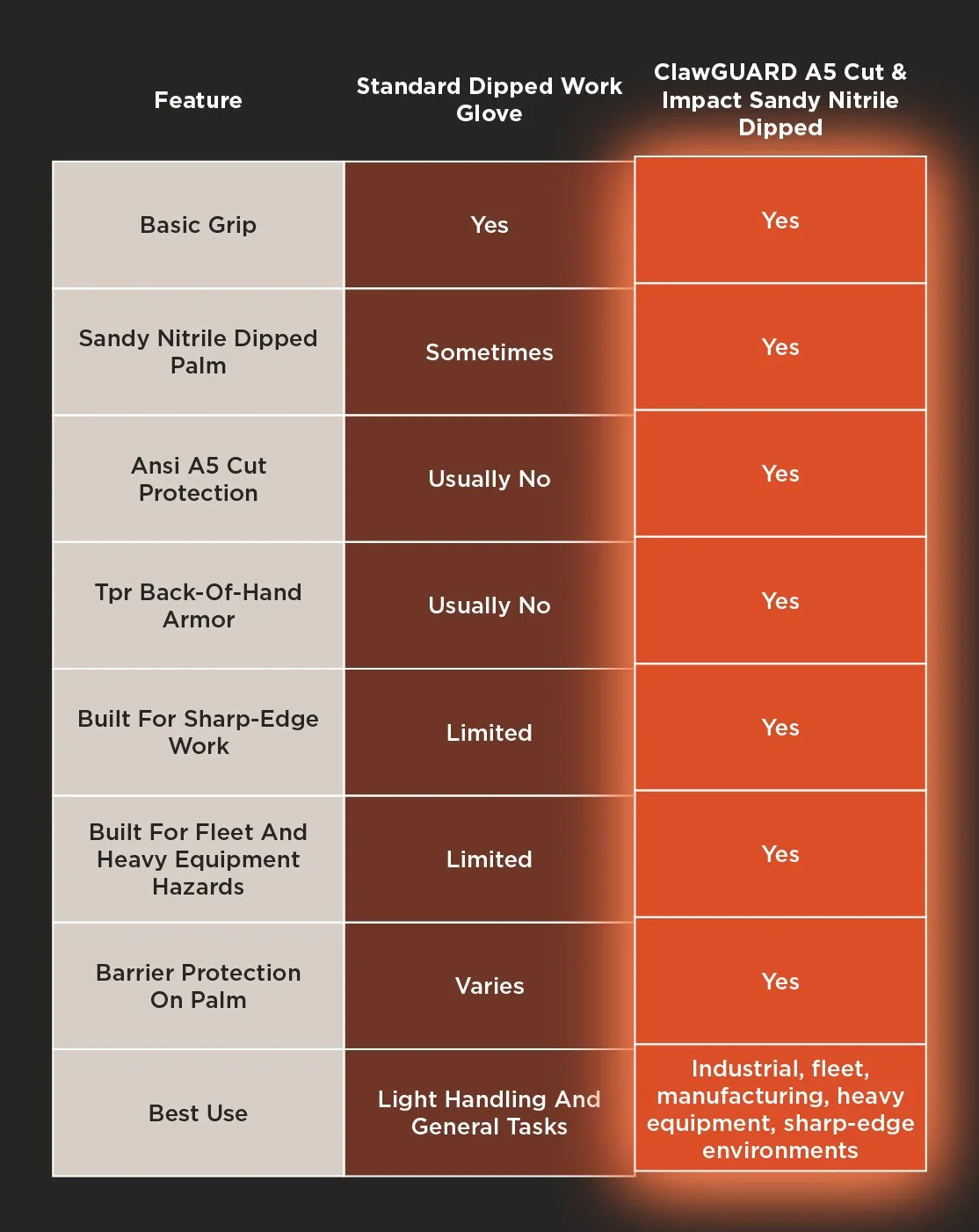
The difference isn't just toughness. It's hazard coverage. ClawGUARD A5 is built for jobs where workers need more protection than a standard dipped glove can offer.
How Dealers Should Explain It
Use this simple script: "This is not just a dipped work glove. It is a cut and impact glove with a sandy nitrile palm. The A5 rating handles sharp-edge hazards, the TPR protects the back of the hand, and the sandy nitrile dip gives workers the grip and barrier protection they need for real industrial work."
Clear, practical, and easy for buyers to understand.
Pair It With the Right Supporting Products
ClawGUARD A5 also fits into a broader Growl hand protection and cleanup program: GrowlTECH for everyday nitrile disposable work, GrowlGRRRIP for oily and greasy high-grip disposable tasks, ClawGUARD A5 for cut and impact industrial work, ClawFORGE for welding tasks, GrowlTOWEL for cleanup and glove wiping, and GrizzlyGRIT for deep industrial hand cleaning after diesel, grease, carbon, oil, ink, and adhesives.
This helps dealers position ClawGUARD A5 not as a one-off item, but as a key glove in the industrial and fleet maintenance category.
Dealer Questions to Ask
Before recommending ClawGUARD A5, ask:
Are workers using standard dipped gloves around sharp parts?
Are cuts happening during industrial, fleet, or equipment work?
Are knuckles or the back of the hand getting hit or scraped?
Do workers need cut protection without giving up dexterity?
Are workers handling brackets, panels, worn components, or jagged metal?
Are current gloves too light for the job?
Do workers need both palm-side cut protection and back-of-hand impact protection?
Is the account automotive, truck, fleet, industrial, or manufacturing?
Would a cut and impact dipped glove reduce complaints or glove failures?
These questions help dealers uncover the right accounts.
The Bottom Line
Cut resistance, impact protection, and sandy nitrile construction aren't just product specs. They solve real problems for industrial and fleet workers.
ANSI A5 cut protection helps defend against sharp-edge hazards. TPR back-of-hand impact armor helps protect against bumps, knocks, and scrapes. The sandy nitrile dipped palm gives workers durable grip and barrier protection in the conditions where standard coatings fall short. And the overall construction keeps the glove practical for automotive, fleet, heavy equipment, industrial, and manufacturing work.
That's the ClawGUARD A5 story. Not a basic dipped glove. A purpose-built cut and impact glove with sandy nitrile grip for jobs where hand hazards are part of the workday.